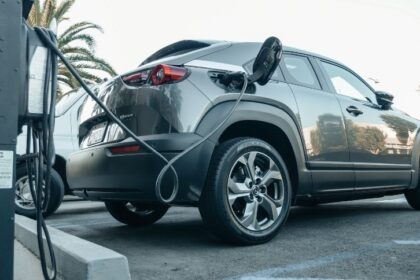







Your vehicle’s tires play a crucial role in safety, comfort, fuel efficiency, and overall driving performance. Choosing the right tires isn’t just about finding the correct size—it also involves considering your driving habits, climate, road conditions, and the type of vehicle you own. The right set of tires can improve handling, shorten braking distances, and provide better traction in different weather conditions.
With so many tire types, brands, and specifications available, selecting the best option can seem overwhelming. This guide explains the key factors to consider so you can confidently choose tires that match your driving needs and help maximize your vehicle’s performance.
Tire Selection at a Glance:
| Factor | Why It Matters | What to Consider |
|---|---|---|
| Tire Size | Ensures proper fit and performance | Follow the manufacturer’s recommended size |
| Driving Conditions | Affects traction and handling | City, highway, off-road, or mixed driving |
| Climate | Determines year-round performance | Summer, winter, or all-season tires |
| Tread Pattern | Influences grip and water evacuation | Road surface and weather conditions |
| Load Rating | Supports vehicle weight safely | Match or exceed manufacturer specifications |
| Speed Rating | Indicates maximum safe speed | Choose according to driving habits |
| Tire Type | Matches vehicle usage | Touring, performance, SUV, or off-road |
| Fuel Efficiency | Impacts running costs | Look for low rolling resistance tires |
| Noise & Comfort | Improves driving experience | Compare comfort and road noise ratings |
| Tire Age | Affects safety and reliability | Check manufacturing date before buying |
1. Choose the Correct Tire Size:
The first and most important step is selecting the correct tire size. Tire dimensions are specified by your vehicle manufacturer and are designed to provide the best balance of safety, handling, fuel economy, and ride comfort.
You can usually find the recommended tire size on the driver’s door jamb, in the owner’s manual, or on the sidewall of your existing tires.
Typical Tire Size Example:
- 225/55 R17
This indicates:
- Tire width
- Aspect ratio
- Construction type
- Wheel diameter
Always use the manufacturer’s recommended size unless advised otherwise by a qualified professional.
2. Consider Your Driving Conditions:
Think about where and how you drive most often. Tires designed for city commuting may perform differently from those intended for highways or rough terrain.
Choosing tires based on your daily driving environment helps improve safety and overall performance.
Common Driving Conditions:
- Urban commuting
- Highway driving
- Rural roads
- Mountain roads
- Off-road adventures
3. Select the Right Tire Type:
Different tire categories are designed for different driving needs. Choosing the appropriate type improves traction, durability, and ride quality.
Common Tire Types:
All-Season Tires
- Suitable for most weather conditions.
- Good balance of comfort and performance.
- Ideal for moderate climates.
Summer Tires
- Excellent dry and wet road grip.
- Designed for warm temperatures.
- Better handling and braking performance.
Winter Tires
- Optimized for snow and ice.
- Improved cold-weather traction.
- Softer rubber compounds.
All-Terrain Tires
- Suitable for both paved roads and light off-road use.
- Popular for SUVs and pickup trucks.
Mud-Terrain Tires
- Designed for challenging off-road conditions.
- Aggressive tread pattern.
- Less suitable for everyday highway driving.
4. Match Tires to Your Climate:
Weather plays a major role in tire performance. Tires designed for one climate may not perform well in another.
Climate Recommendations:
- Warm regions: Summer or all-season tires.
- Moderate climates: All-season tires.
- Snowy winters: Winter tires.
- Mixed weather: Consider maintaining separate summer and winter tire sets.
5. Understand Tread Patterns:
The tread pattern influences how well a tire grips the road, channels water, and handles different surfaces.
Common Tread Designs:
- Symmetrical tread
- Asymmetrical tread
- Directional tread
Each design offers different advantages depending on weather conditions and driving style.
6. Check Load and Speed Ratings:
Every tire has a load index and speed rating that indicate how much weight it can safely carry and the maximum speed it is designed to handle.
These ratings should meet or exceed your vehicle manufacturer’s recommendations.
Why They Matter:
- Safe load capacity
- Proper vehicle stability
- Reliable high-speed performance
- Improved durability
7. Consider Ride Comfort and Road Noise:
Some tires prioritize comfort and quiet driving, while others focus on sporty handling or off-road capability.
If you spend long hours on highways, choosing quieter tires can significantly improve the driving experience.
Comfort Factors:
- Low road noise
- Smooth ride quality
- Reduced vibration
- Stable highway performance
8. Think About Fuel Efficiency:
Certain tires are designed with lower rolling resistance, helping reduce the amount of energy required to keep the vehicle moving.
This can improve fuel economy over time, especially for drivers covering long distances.
Fuel-Efficient Tires Offer:
- Reduced rolling resistance
- Better fuel economy
- Lower operating costs
- Improved everyday efficiency
9. Compare Tire Warranty and Durability:
Different tire models offer different expected tread life and warranty coverage.
A tire with a longer treadwear warranty may provide better long-term value, even if its initial purchase price is higher.
Compare:
- Treadwear warranty
- Manufacturing warranty
- Road hazard protection (if available)
- Expected mileage
10. Check the Tire’s Manufacturing Date:
Even unused tires age over time. Before purchasing, inspect the manufacturing date printed on the tire sidewall.
Buying recently manufactured tires helps ensure maximum performance and longevity.
Before Buying:
- Verify manufacturing date.
- Inspect for storage damage.
- Check sidewall condition.
- Confirm matching production dates when possible.
Common Tire Types Comparison:
| Tire Type | Best For | Main Advantages |
| All-Season | Everyday driving | Versatile year-round performance |
| Summer | Warm climates | Superior grip and handling |
| Winter | Snow and ice | Excellent cold-weather traction |
| All-Terrain | SUVs and light off-road | Balanced on-road and off-road capability |
| Mud-Terrain | Serious off-roading | Maximum traction on rough terrain |
| Touring | Comfortable commuting | Quiet ride and long tread life |
| Performance | Sports driving | Improved cornering and responsiveness |
Common Mistakes to Avoid:
Choosing the wrong tires can negatively affect safety and performance.
- Buying based only on price.
- Ignoring the recommended tire size.
- Mixing different tire types on the same axle.
- Forgetting to check load and speed ratings.
- Delaying tire replacement after excessive wear.
- Overlooking tire age.
Helpful Tips Before Buying Tires:
A little preparation can help you choose the right set.
- Review your owner’s manual.
- Compare several tire brands.
- Read independent performance reviews.
- Check local weather conditions.
- Consider your annual driving mileage.
- Rotate your tires regularly to extend tread life.
- Maintain proper tire pressure after installation.
Making the Best Choice for Safer Driving:
The right tires can make a noticeable difference in your vehicle’s safety, comfort, and overall performance. Instead of focusing only on price, consider factors such as tire size, driving conditions, climate, tread design, durability, and long-term value. Investing in quality tires that match your driving habits can improve handling, reduce braking distances, and provide greater confidence behind the wheel.
Before making your purchase, compare different tire models, review manufacturer recommendations, and choose a reputable installer. With the right tires and proper maintenance, you’ll enjoy better performance, improved fuel efficiency, and safer journeys throughout the year.