




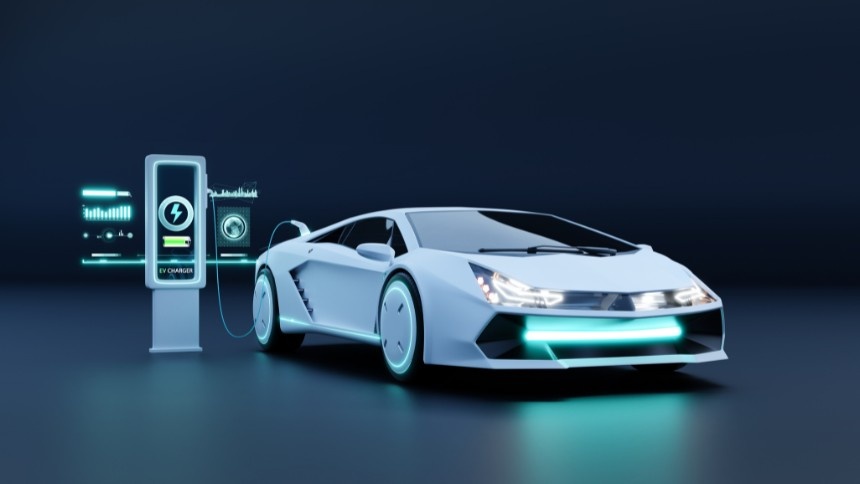
Electric vehicles (EVs) have transformed from a niche innovation into a mainstream transportation option. With rising fuel prices, advancements in battery technology, and increasing environmental awareness, more people are considering switching from gasoline-powered vehicles to electric cars. However, buying an EV involves different considerations than purchasing a traditional car, making it essential to understand what you’re investing in before making a decision.
From driving range and charging options to battery warranties and ownership costs, several factors can influence your overall experience. This comprehensive guide covers everything you need to know before buying an electric car, helping you choose a vehicle that fits your lifestyle, budget, and long-term driving needs.
Why More Drivers Are Choosing Electric Cars:
Electric cars have become increasingly attractive because they combine lower running costs with advanced technology and a quieter driving experience. Unlike conventional vehicles, EVs use electric motors powered by rechargeable batteries, eliminating the need for gasoline and reducing routine maintenance requirements.
Many buyers are also drawn to electric vehicles because of their environmental benefits. Since EVs produce zero tailpipe emissions, they help reduce air pollution and contribute to cleaner transportation. As governments and manufacturers continue investing in charging infrastructure and battery improvements, electric cars are becoming a practical choice for both city commuters and long-distance travelers.
Is an Electric Car Right for You?:
Before comparing different models, it’s important to evaluate your driving habits and daily transportation needs. An electric car may be the perfect fit for one driver but less practical for another, depending on factors such as commute distance, access to charging, and travel frequency.
Ask yourself these questions before making a purchase:
- Do I have access to home or workplace charging?
- How many miles or kilometers do I drive each day?
- Do I frequently take long road trips?
- Can I comfortably charge the vehicle overnight?
- Am I looking to reduce fuel and maintenance costs?
Answering these questions honestly will help determine whether an EV aligns with your lifestyle and prevent you from paying for features or battery capacity you may never fully utilize.
Understanding Electric Vehicle Range:
Driving range is often the first specification buyers compare when researching electric vehicles. It represents the maximum distance an EV can travel on a fully charged battery before needing to recharge. While manufacturers provide official range estimates, actual performance depends on several real-world conditions.
Factors such as highway driving, outside temperature, terrain, passenger load, and air conditioning or heating usage can all affect battery efficiency. For example, driving at higher speeds or using the heater extensively during winter may slightly reduce the available range.
Instead of choosing the vehicle with the highest advertised range, consider your typical driving routine. If your daily commute is relatively short, a mid-range EV may offer more than enough capacity while costing less than premium long-range models.
Charging Options You Should Know About:
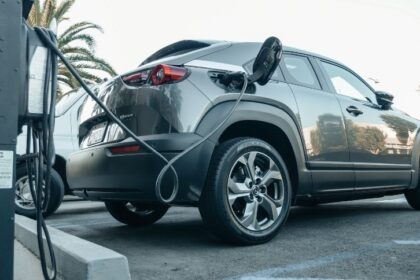
Charging convenience is one of the biggest differences between owning an electric vehicle and a gasoline-powered car. Fortunately, today’s EV owners have several charging options depending on where they live and how they use their vehicle.
Home Charging:
Home charging is the most convenient and cost-effective option for most EV owners. By installing a dedicated home charger, you can plug in your vehicle overnight and start each morning with a fully charged battery. This eliminates frequent trips to public charging stations and allows you to take advantage of lower electricity rates during off-peak hours where available.
If you live in an apartment or condominium, check whether your building offers dedicated EV charging facilities or allows the installation of personal charging equipment before purchasing your vehicle.
Public Charging Stations:
Public charging stations are becoming increasingly common in shopping centers, office complexes, hotels, parking garages, and major highways. These chargers are particularly useful when traveling or when home charging isn’t available.
Before buying an EV, research the charging network in your area. Having multiple charging locations near your home, workplace, and regular travel routes can significantly improve the convenience of owning an electric vehicle.
DC Fast Charging:
DC fast chargers are designed for long-distance travel and can recharge an EV much faster than standard chargers. Depending on the vehicle and charging station, many modern electric cars can recover a significant portion of their battery capacity in less than an hour.
Not every EV supports the same charging speed, so compare charging capabilities when evaluating different models, especially if you frequently travel long distances.
Battery Life and Warranty:
The battery pack is the most expensive and technologically advanced component of an electric vehicle. Fortunately, modern lithium-ion batteries are engineered to last for many years with proper care and regular use.
Manufacturers typically provide separate battery warranties that cover defects and guarantee a minimum battery capacity for a specified period. A strong battery warranty provides peace of mind and can help protect your investment if unexpected issues arise.
When comparing vehicles, pay close attention to warranty duration, mileage limits, and what components are covered. A comprehensive battery warranty often reflects the manufacturer’s confidence in the long-term reliability of its technology.
Understanding the True Cost of Ownership:
Although electric vehicles usually have a higher purchase price than comparable gasoline models, ownership costs often become more affordable over time. Electricity is generally less expensive than gasoline, and electric motors require less routine maintenance because they contain fewer moving parts.
Oil changes, spark plug replacements, and many engine-related services simply aren’t required with an EV. However, buyers should still budget for expenses such as tires, insurance, brake servicing, and periodic inspections.
| Ownership Expense | Electric Car | Gasoline Car |
|---|---|---|
| Energy/Fuel | Lower operating cost | Higher fuel expenses |
| Oil Changes | Not required | Required regularly |
| Routine Maintenance | Lower | Higher |
| Engine Repairs | Minimal | More common over time |
| Brake Wear | Reduced due to regenerative braking | Standard wear |
Looking beyond the purchase price gives you a much clearer understanding of the vehicle’s long-term value.
Features Worth Looking For:
Modern electric vehicles are packed with innovative technology, but not every feature is equally valuable. Prioritize features that improve safety, efficiency, and everyday convenience rather than simply choosing the longest options list.
Driver Assistance Technologies:
Many EVs include intelligent safety systems such as adaptive cruise control, lane-keeping assistance, blind-spot monitoring, automatic emergency braking, and parking assistance. These features not only improve driving confidence but can also help reduce driver fatigue during long journeys.
If safety is a priority, compare driver-assistance packages carefully, as availability may differ between trim levels.
Smart Connectivity:
Today’s electric cars often include large touchscreens, wireless Apple CarPlay and Android Auto, smartphone apps for remote charging control, navigation systems that display nearby charging stations, and over-the-air software updates.
These connected features continue improving even after purchase, allowing manufacturers to introduce new functions and performance enhancements without requiring dealership visits.
Common Mistakes First-Time EV Buyers Make:
Many buyers become excited by impressive specifications without considering how they will actually use the vehicle. Choosing an EV based solely on maximum range or appearance may result in spending more than necessary.
Some of the most common mistakes include:
- Ignoring home charging options.
- Buying more battery range than needed.
- Not comparing charging speeds.
- Forgetting to calculate insurance costs.
- Overlooking battery warranty details.
- Skipping a proper test drive.
- Failing to research local charging infrastructure.
Avoiding these mistakes can lead to a more satisfying ownership experience and lower long-term costs.
Questions You Should Ask Before Buying:
Before finalizing your purchase, ask the dealership several important questions to ensure you’re making an informed decision.
- What battery warranty is included?
- Does the vehicle support DC fast charging?
- How long does a full charge usually take?
- What charging equipment is included?
- How often is routine maintenance required?
- Are software updates included throughout ownership?
- What driver assistance features come standard?
Getting clear answers helps you compare models more effectively and prevents unexpected surprises after purchase.
Smart Buying Tips for First-Time EV Owners:
Buying your first electric car becomes much easier when you focus on practical considerations instead of marketing claims.
Compare several models before deciding, estimate your annual charging costs, review independent reliability ratings, and test drive different vehicles to understand how they perform in real-world conditions. If possible, visit local charging stations before buying to become familiar with the charging process and available connector types.
Most importantly, think about how you’ll use the vehicle over the next five to ten years rather than just its current features. A carefully planned purchase will provide better value, greater convenience, and a more enjoyable ownership experience.
Making the Switch with Confidence:
Choosing an electric car is about finding the right balance between driving range, charging convenience, technology, ownership costs, and everyday practicality. Rather than focusing on a single specification, evaluate how each vehicle fits your daily routine and future transportation needs.
With battery technology improving, charging infrastructure expanding, and manufacturers introducing more capable EVs every year, there has never been a better time to explore electric mobility. By researching your options thoroughly and understanding the factors discussed in this guide, you’ll be well prepared to purchase an electric vehicle that delivers excellent performance, long-term savings, and an enjoyable driving experience.