






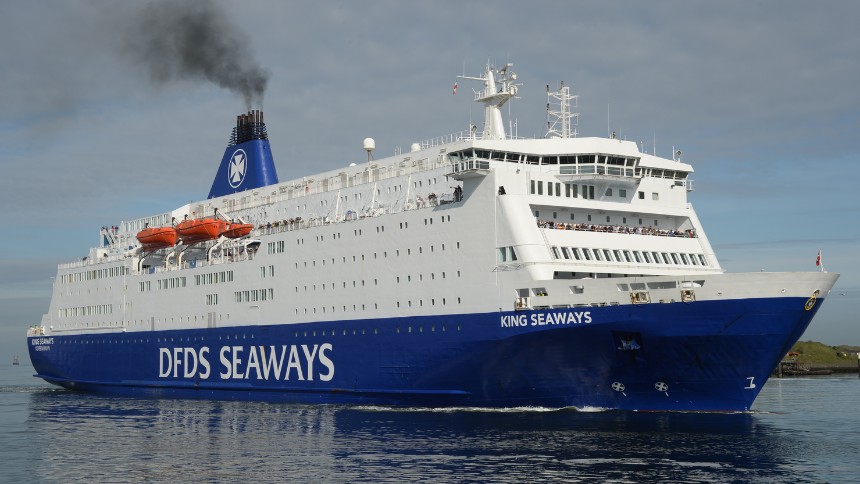
Travelling by ferry can be a convenient way to explore Europe, especially if you want to bring your car, pack for a longer holiday, or enjoy a journey across the sea instead of flying. DFDS is a major ferry operator serving destinations across the English Channel, Northern Europe, and the Baltic region. Depending on the route, passengers can choose short crossings between the UK and France or overnight journeys with cabins, restaurants, and entertainment.
This DFDS ferry review covers the main passenger routes, factors that affect ticket prices, onboard facilities, and practical travel tips to help you decide whether ferry travel suits your next trip.
What Is DFDS?
DFDS is a European ferry and logistics company operating passenger and freight services across several international routes. Its passenger network connects destinations in the United Kingdom, France, the Netherlands, Ireland, Germany, Sweden, Lithuania, and other parts of Northern Europe.
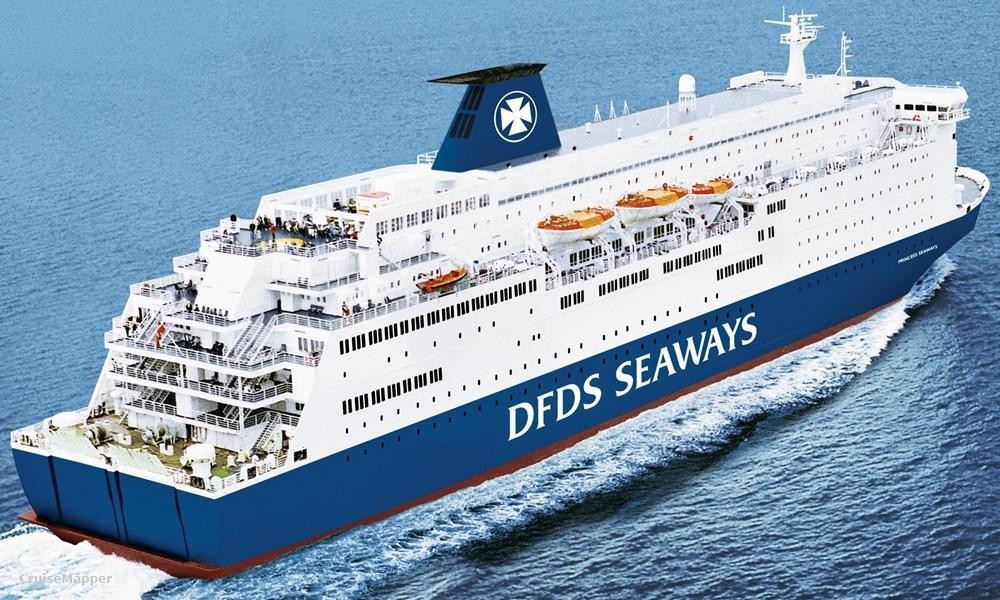
One of the main advantages of travelling with DFDS is the flexibility available on selected routes. Depending on the crossing, you may be able to travel with a car, motorcycle, bicycle, motorhome, or other eligible vehicle. Some routes also accommodate foot passengers, while others require passengers to travel with a vehicle.
The onboard experience varies considerably between ships and routes. Short Channel crossings focus on comfortable seating, refreshments, shopping, and convenient transport, whereas overnight services offer more facilities for relaxing and sleeping during the journey.
DFDS Ferry Routes: Where Can You Travel?
DFDS operates several routes with different journey times, departure ports, and onboard arrangements. The best option depends on where you are starting, your destination, and whether you plan to take a vehicle.
1. Dover to Calais: A Quick Crossing to France
The Dover–Calais route is one of DFDS’s most popular options for travelling between England and mainland Europe. The crossing takes approximately 100 minutes under normal operating conditions, making it useful for short breaks, road trips, and onward journeys through France.
Passengers travel with their vehicles on this route, as foot passengers are not accepted. Once onboard, you can enjoy a meal, browse the shop, or relax in the passenger areas before arriving in Calais.
This route is particularly convenient if you want to continue driving towards destinations in northern France, Belgium, or other parts of mainland Europe.
2. Dover to Dunkirk: An Alternative Channel Route
Dover–Dunkirk offers another way to cross from England into France, with a typical sailing time of around two hours. Dunkirk can be a useful arrival point for travellers heading towards Belgium, the Netherlands, and northern France.
Like the Dover–Calais route, this service is designed for passengers travelling with vehicles rather than foot passengers. Onboard facilities can include dining outlets, shopping, family areas, and upgraded lounge options on selected sailings.
The choice between Calais and Dunkirk often comes down to the final destination. Compare the total driving distance after arrival, not just the ferry duration, when deciding which port works best for your itinerary.
3. Newhaven to Dieppe: A Route to Normandy
The Newhaven–Dieppe route connects southern England with Normandy in northern France. The sailing generally takes around four hours, although schedules and actual journey times can vary.
This route can be appealing if you want to explore Normandy, travel towards western or northern France, or avoid driving to Dover before departure. DFDS offers onboard dining, shopping, family facilities, and seating options, with private cabins available on applicable crossings.
It is worth checking the departure schedule carefully when planning a short trip, as the route and sailing frequency differ from the busy Dover services.
4. Newcastle to Amsterdam: An Overnight Ferry Experience
The Newcastle–Amsterdam service is an overnight ferry route that connects northeast England with the Netherlands. The ferry arrives at IJmuiden, near Amsterdam, rather than at a terminal in Amsterdam city centre.
Unlike a short Channel crossing, this journey offers more of a cruise-style experience. Passengers can book cabins, eat at onboard restaurants, visit bars, browse shops, and spend time relaxing during the voyage.
This route is a good option if you want to travel overnight and wake up closer to your destination. Remember to account for the transfer between the ferry terminal and central Amsterdam when planning your onward journey.
5. Rosslare to Dunkirk: Connecting Ireland and France
DFDS also operates a route between Rosslare in Ireland and Dunkirk in France. This service can be useful for travellers planning to drive between Ireland and continental Europe.
The crossing is considerably longer than the Channel routes, so onboard accommodation and meal arrangements become more important. Depending on the booking, facilities can include private cabins, restaurants, refreshments, and options for travelling with a vehicle or pet.
The service is especially relevant to road-trippers who want to avoid routing their journey through Great Britain. Check the precise crossing duration, cabin arrangements, and included meals when comparing travel options.
6. Baltic Routes: Connecting Northern Europe
DFDS also operates ferry services in the Baltic region, including routes connecting destinations such as Klaipėda in Lithuania with Kiel in Germany and Karlshamn in Sweden. Other services connect ports around the Baltic Sea.
These routes are useful for longer European itineraries, vehicle travel, and journeys between Northern European countries. Depending on the ship and crossing, facilities may include private cabins, restaurants, bars, shops, and areas for families.
Because Baltic routes differ in duration and service arrangements, check the specific route information before booking rather than assuming every ship provides the same facilities.
DFDS Ferry Routes at a Glance:
| Route | Approximate Journey Time | Best Suited For |
|---|---|---|
| Dover–Calais | 100 minutes | Quick crossings to France |
| Dover–Dunkirk | 2 hours | Road trips towards Belgium and northern Europe |
| Newhaven–Dieppe | Around 4 hours | Travel to Normandy and northern France |
| Newcastle–Amsterdam | Overnight | Travellers who prefer an overnight journey |
| Rosslare–Dunkirk | Long-distance crossing | Driving between Ireland and mainland Europe |
| Baltic routes | Varies by route | Longer journeys around Northern Europe |
Journey times are approximate and may change with weather, port operations, and the specific sailing. Always check the timetable for your chosen departure.
DFDS Ferry Prices: What Should You Expect?
DFDS ticket prices vary by route, departure date, time, passenger numbers, vehicle type, accommodation, and availability. There is no single price that applies to every journey, so comparing fares for your exact travel requirements is the best way to estimate the total cost.
Short vehicle crossings may be priced as a package that includes a car and a set number of passengers. Other journeys may use different fare structures, particularly overnight routes where cabins and additional services affect the final price.
Factors That Affect Ferry Fares:
Travel dates and departure times: Prices can vary according to demand, school holidays, weekends, and seasonal travel patterns. Booking earlier may give you more departure choices, but the lowest fare is not guaranteed.
Vehicle type and dimensions: A standard car may be priced differently from a motorcycle, van, caravan, or motorhome. Accurate vehicle information is important when making your reservation.
Passenger numbers: Check how many passengers are included in the displayed fare. Additional passengers may affect the total price.
Cabins and upgraded seating: Overnight journeys may require or strongly benefit from cabin accommodation. Premium lounges and other optional services can also increase the cost.
Meals and extras: Depending on the route, meals may be included or purchased separately. Check the fare conditions before assuming that food, cabin access, or other services are part of the booking.
Flexibility: Some tickets offer more flexibility than others. Review the rules for changing a departure, missing a sailing, or cancelling a booking before selecting a fare.
How to Compare DFDS Ferry Prices Effectively:
When comparing fares, look beyond the headline ticket price. A cheaper departure may involve an inconvenient arrival time, a longer drive after landing, or extra expenses for meals and accommodation.
For example, someone travelling from England to Belgium may find that Dover–Dunkirk offers a more practical overall journey than Dover–Calais, even if the ferry fare differs. Someone visiting Normandy may find Newhaven–Dieppe more convenient despite the longer crossing.
Before booking, calculate the total cost of the journey, including fuel, road tolls where applicable, parking, cabin upgrades, meals, and transfers. This gives you a more realistic basis for comparing ferry travel with alternative transport.
Onboard Facilities: What Is the DFDS Experience Like?
DFDS facilities vary by route and ship, but many passenger ferries offer a selection of dining, shopping, relaxation, and family amenities.
Restaurants, Cafés and Refreshments:
Food options can range from cafés and quick meals to self-service restaurants and more extensive dining experiences. Depending on the route, menus may include hot meals, breakfast items, vegetarian choices, snacks, and drinks.
On overnight crossings, dining can become a larger part of the experience, with some ships offering buffet-style restaurants and additional restaurant options. Check whether meals are included in your fare or need to be booked separately, particularly on longer journeys.
Seating Areas and Private Cabins:
Short crossings usually offer public seating areas where passengers can relax during the journey. Selected services provide upgraded lounges, which may offer a quieter setting and additional refreshments.
On overnight routes, private cabins can make a significant difference to comfort. Depending on the ship, options may range from standard cabins to upgraded accommodation with additional space or views. Travellers who value privacy, are travelling with children, or need a proper place to rest should compare cabin types before booking.
Shops and Duty-Free Shopping:
Many DFDS ferries feature onboard shops selling items such as fragrances, cosmetics, confectionery, souvenirs, and other travel-related products. The range depends on the route and applicable retail rules.
If shopping is part of your plan, check the shop’s opening hours and product selection for your sailing. Also remember that duty-free eligibility and import allowances depend on the route and the relevant customs rules.
Family Facilities and Children’s Activities:
Selected ferries include play areas and activities designed to help keep children occupied. On some Channel routes, families can use designated play spaces, while onboard activities may vary by ship and season.
Parents should bring essential items such as snacks where permitted, spare clothing, and entertainment suitable for their children’s ages. For longer crossings, a cabin or a comfortable seating arrangement can also help make the journey easier.
Wi-Fi and Connectivity:
Wi-Fi is available on some DFDS services, but its performance and availability may differ by ship and route. Connectivity at sea may not be as consistent as a home or hotel connection.
If you need to work during the journey, download important files beforehand and keep offline copies of tickets, reservations, and travel documents. Avoid depending on uninterrupted internet access for essential tasks.
Travelling with a Car, Motorcycle or Pet:
One of the biggest benefits of vehicle ferry travel is the ability to take your own transport to your destination. This can make it easier to carry luggage, travel with family, and explore areas that are less convenient to reach by public transport.
However, vehicle requirements differ by route. Confirm the permitted vehicle dimensions, passenger limits, check-in instructions, and any restrictions on carrying equipment before booking.
Pet policies also vary by route and accommodation type. Some journeys require pets to remain in the vehicle, while selected services offer pet-friendly cabins or other arrangements. Check the precise rules for your sailing, including documentation, animal welfare requirements, and where pets may remain during the crossing.
DFDS Ferry Review: Main Advantages and Disadvantages:
What Works Well:
Convenient vehicle travel: Taking your own car can make a European road trip more flexible, especially when visiting several destinations.
A wide range of routes: DFDS serves multiple destinations across the Channel and Northern Europe, offering options for both short crossings and overnight travel.
Useful onboard amenities: Restaurants, cafés, shops, seating areas, and family facilities can make time at sea more comfortable.
Overnight travel options: On selected routes, cabins allow passengers to rest during the journey instead of arranging a separate overnight stay.
Flexible luggage arrangements on many vehicle routes: Travelling by car can make it easier to carry holiday essentials, although vehicle capacity and route-specific conditions still apply.
What to Consider Before Booking:
Prices fluctuate: The final cost depends on the route, date, vehicle, passengers, and selected extras.
Facilities differ: Not every ferry has the same restaurants, lounges, cabins, or entertainment options.
Weather can affect the journey: Sea conditions and operational issues can cause discomfort or delays.
Port locations matter: Some terminals are outside major city centres, meaning extra driving or transfers may be required.
Check-in rules are important: Arriving late can jeopardise your booking. Follow the instructions provided for your specific crossing.
Travel Tips for a Smoother DFDS Journey:
Smart Tips:
Book the route that best fits your itinerary: Compare the port locations and onward driving time instead of focusing only on crossing duration.
Arrive according to the check-in instructions: DFDS check-in deadlines vary by route and booking. Allow enough time for document checks, vehicle processing, and boarding.
Keep travel documents accessible: Carry the required passports, booking confirmation, and any documents needed for your vehicle, destination, or pet.
Reserve cabins and meals when useful: For overnight sailings or busy travel periods, booking suitable accommodation and dining arrangements in advance can help you plan more confidently.
Prepare your vehicle for international driving: Check the driving rules in the countries you will visit, including any required safety equipment, insurance documents, and toll arrangements.
Pack a small onboard bag: Keep medicines, valuables, chargers, essential toiletries, and travel documents accessible instead of leaving everything in the vehicle.
Plan for seasickness if needed: If you are prone to motion sickness, consider speaking to a pharmacist or healthcare professional about suitable options before travelling. Follow product instructions and any medical advice.
Download essential information: Save tickets, directions, accommodation details, and offline entertainment in case internet access is limited.
Check the latest sailing information: Weather and operational changes can affect ferry travel. Review departure updates before leaving for the port.
Is DFDS Worth Considering for Your Next Trip?
DFDS can be a practical choice for travellers who want to cross between the UK and mainland Europe, travel with their vehicle, or connect destinations across Northern Europe. Short routes such as Dover–Calais and Dover–Dunkirk are useful for road trips, while services such as Newcastle–Amsterdam offer a more relaxed overnight experience with cabins and dining options.
The main considerations are the total journey cost, route convenience, check-in requirements, and the facilities available on your particular sailing. Comparing these details before booking will help you decide whether DFDS fits your travel plans.
For travellers who value vehicle access and the freedom to explore beyond major cities, a DFDS ferry journey can be a worthwhile part of a European adventure.